Long-Term Ownership Perspective: Understanding the Difference Between Tesla Model 3 and Y
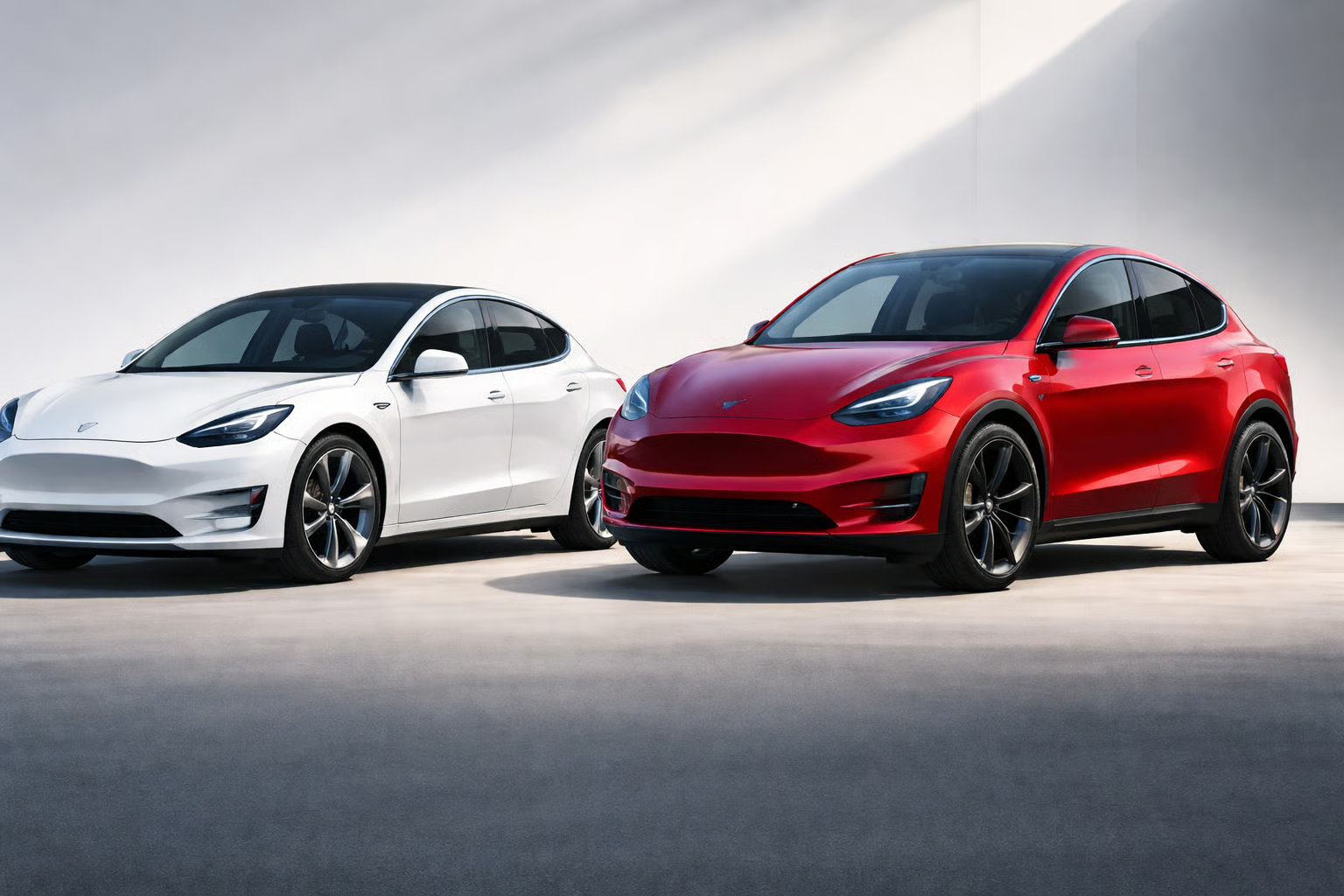
When evaluating the difference between Tesla Model 3 and Y, many buyers focus on upfront price, range figures, and cargo numbers. However, long-term ownership experience is just as important—especially as electric vehicles become primary household cars rather than secondary commuters. Over several years of use, the contrast between these two Teslas becomes even more pronounced in ways that spec sheets alone cannot fully explain.
From a maintenance standpoint, both the Tesla Model 3 and Model Y benefit from the same core advantages of electric vehicles. There are no oil changes, fewer moving parts than internal combustion cars, and regular software updates that can improve performance, efficiency, and features over time. In this regard, there is little practical difference between Tesla Model 3 and Y, as both rely on the same drivetrain architecture and battery technology.
Where the ownership experience begins to diverge is in daily usability over years of driving. Owners who use their vehicle primarily for commuting, solo driving, or couples without children often report that the Model 3 remains perfectly sufficient long-term. Its smaller footprint, better efficiency, and sedan form factor continue to feel advantageous in urban and suburban environments. Parking garages, narrow streets, and dense traffic are all areas where the Model 3’s compact nature proves beneficial year after year.
On the other hand, families and multi-purpose households tend to appreciate the Model Y more as time goes on. The higher seating position reduces fatigue during long drives, while the large hatchback cargo area adapts easily to changing life needs. Whether it’s transporting children, pets, sports equipment, or large shopping loads, the Model Y’s flexibility becomes increasingly valuable over long-term ownership. This real-world adaptability is a key difference between Tesla Model 3 and Y that often outweighs the initial price premium.
Resale value is another important factor to consider. Historically, SUVs and crossovers retain value better than sedans in the U.S. market, and this trend has extended into the electric vehicle segment. While both Teslas tend to hold value relatively well compared to competitors, the Model Y’s popularity and broader appeal may give it a slight edge in resale or trade-in scenarios. Buyers planning to sell or upgrade in the future should consider how this difference between Tesla Model 3 and Y could affect total cost of ownership.
Ultimately, long-term satisfaction depends on how well the vehicle aligns with lifestyle needs rather than raw specifications. The Model 3 rewards owners who prioritize efficiency, lower cost, and a more engaging driving feel. The Model Y rewards those who value space, comfort, and versatility as their daily demands evolve. Understanding this deeper, long-term difference between Tesla Model 3 and Y can help buyers make a decision they remain happy with not just today, but years down the road.


